Guides
PVC vs Embroidered Patches: Durability, Look and Cost
By the Nation Patches team · Updated · 7 min read
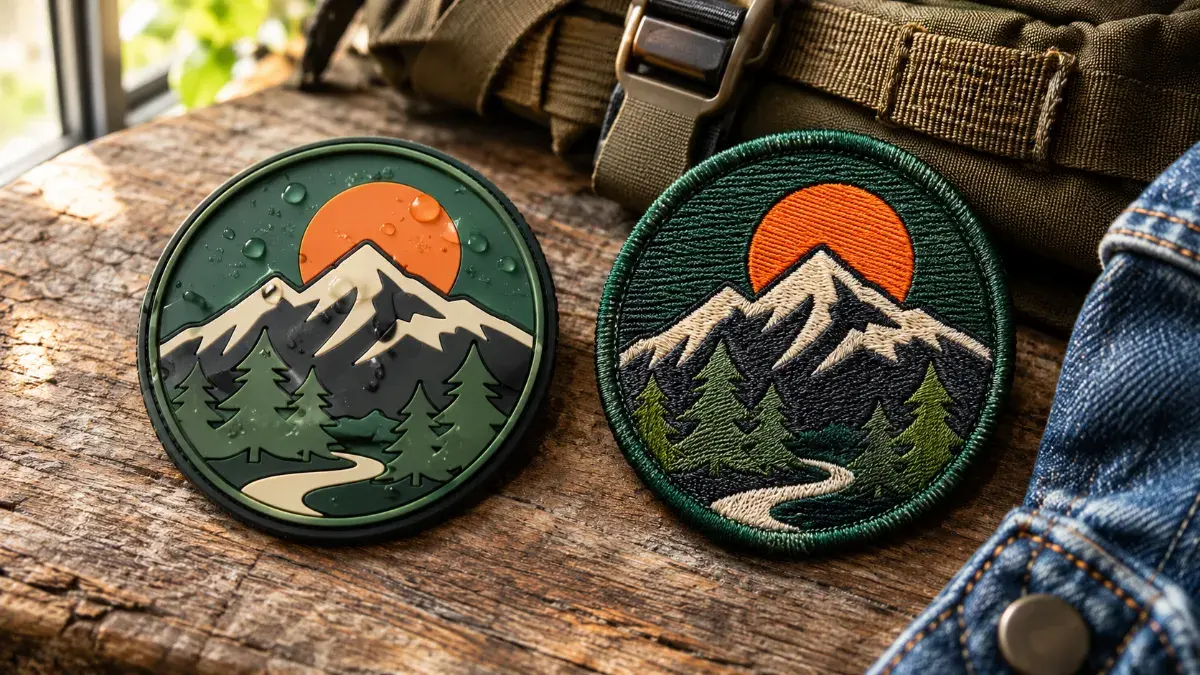
PVC vs embroidered patches is one of the first choices you face when you order custom patches. Both carry a logo well. However, they look, feel and wear in very different ways.
In short, PVC rubber patches win for water, mud and hard outdoor use. Embroidered patches win for a classic stitched look on uniforms and apparel. Below, we compare durability, appearance, detail, backing options and what drives the cost of each, so you can choose with confidence.
PVC vs Embroidered Patches at a Glance
Start with this side-by-side view. Then read the sections below for the details behind each row.
| Factor | PVC patch | Embroidered patch |
|---|---|---|
| Material | Soft molded PVC rubber | Polyester thread stitched on twill |
| Look | Smooth, crisp color areas, 2D or 3D | Textured, traditional stitched finish |
| Water and dirt | Water-resistant, wipes clean | Absorbs water and can stain |
| Fine detail | Sharp small shapes, no gradients | Limited by thread width |
| Feel and weight | Flexible, a little heavier | Soft, light and thin |
| Iron-on backing | Not recommended | Common option |
| Main cost driver | Mold setup and color count | Size and stitch coverage |
| Best for | Tactical gear, bags, outdoor and work use | Uniforms, hats, jackets, team apparel |
How Each Patch Is Made
The way a patch is made explains most of its strengths. So it helps to know the basics.
PVC patches
A PVC patch starts as a metal mold cut from your artwork. Each color area becomes its own small cavity. Liquid PVC is filled into each cavity, color by color. Then a base layer goes over the back, and heat cures the rubber into one flexible piece.
Embroidered patches
An embroidered patch starts as a digitized stitch file. An embroidery machine then stitches your design onto a twill base, one thread color at a time. Finally, the edge is finished with a merrowed border or a heat-cut edge, and the backing is added.
Want the full picture? Read how custom patches are made for a step-by-step look at both methods.
Durability: Are PVC Patches Tougher Than Embroidered?
For rough, wet and dirty conditions, PVC is usually the tougher choice. Rubber doesn't fray, and it doesn't soak up water. Mud, grease and sweat wipe off with a damp cloth and mild soap. That is why PVC is popular on backpacks, plate carriers, boat gear and work bags.
Embroidered patches are durable too, especially with a merrowed border. They handle years of normal wear and washing on uniforms and jackets. However, thread can snag on Velcro, brush or sharp edges. Also, light thread colors can stain over time.
Look and Feel
This is often the deciding factor. The two styles create a very different first impression.
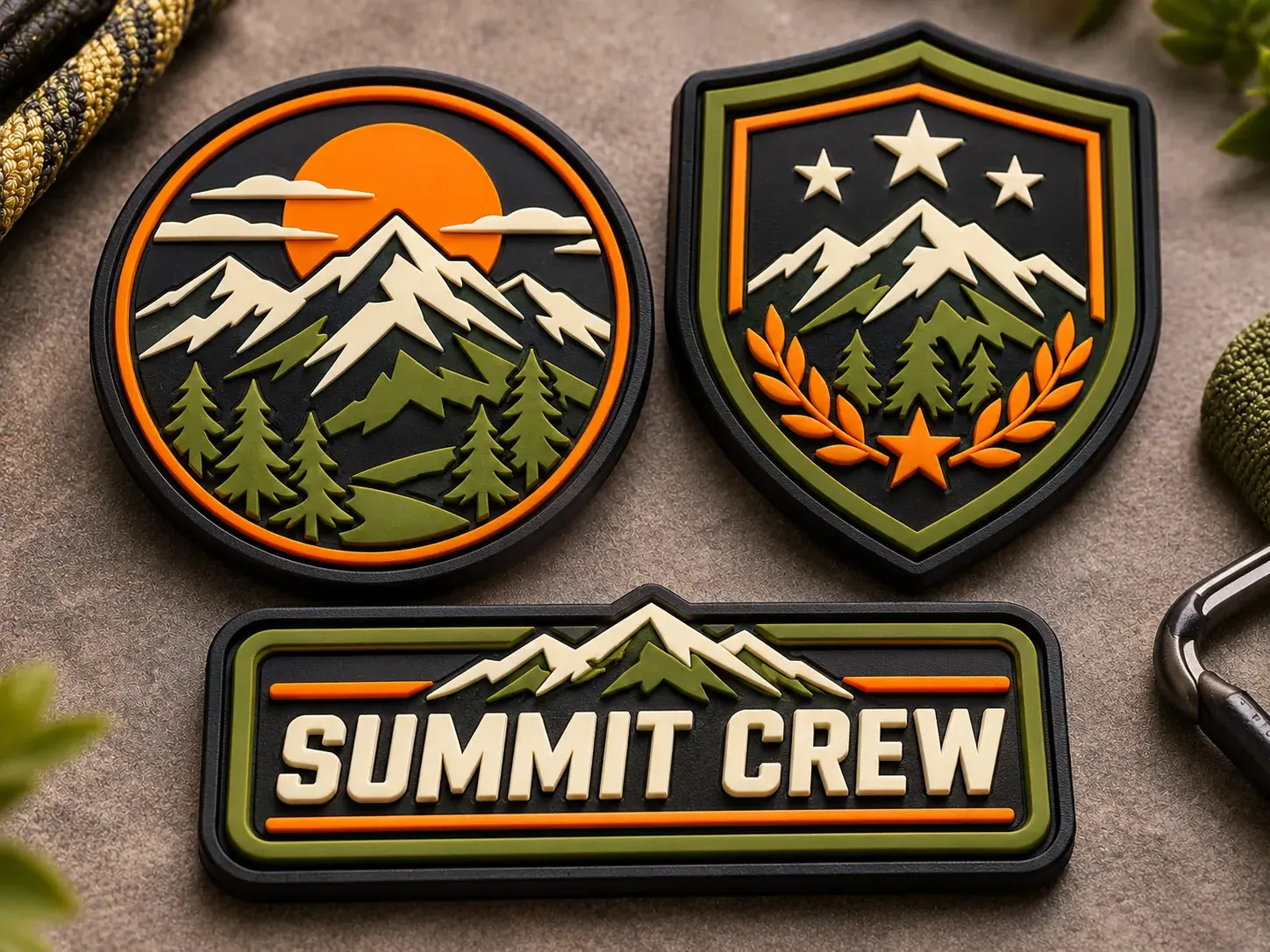
- PVC: modern, bold and clean. Colors sit in sharp, separate areas. A 3D mold adds sculpted, rounded layers that catch the light.
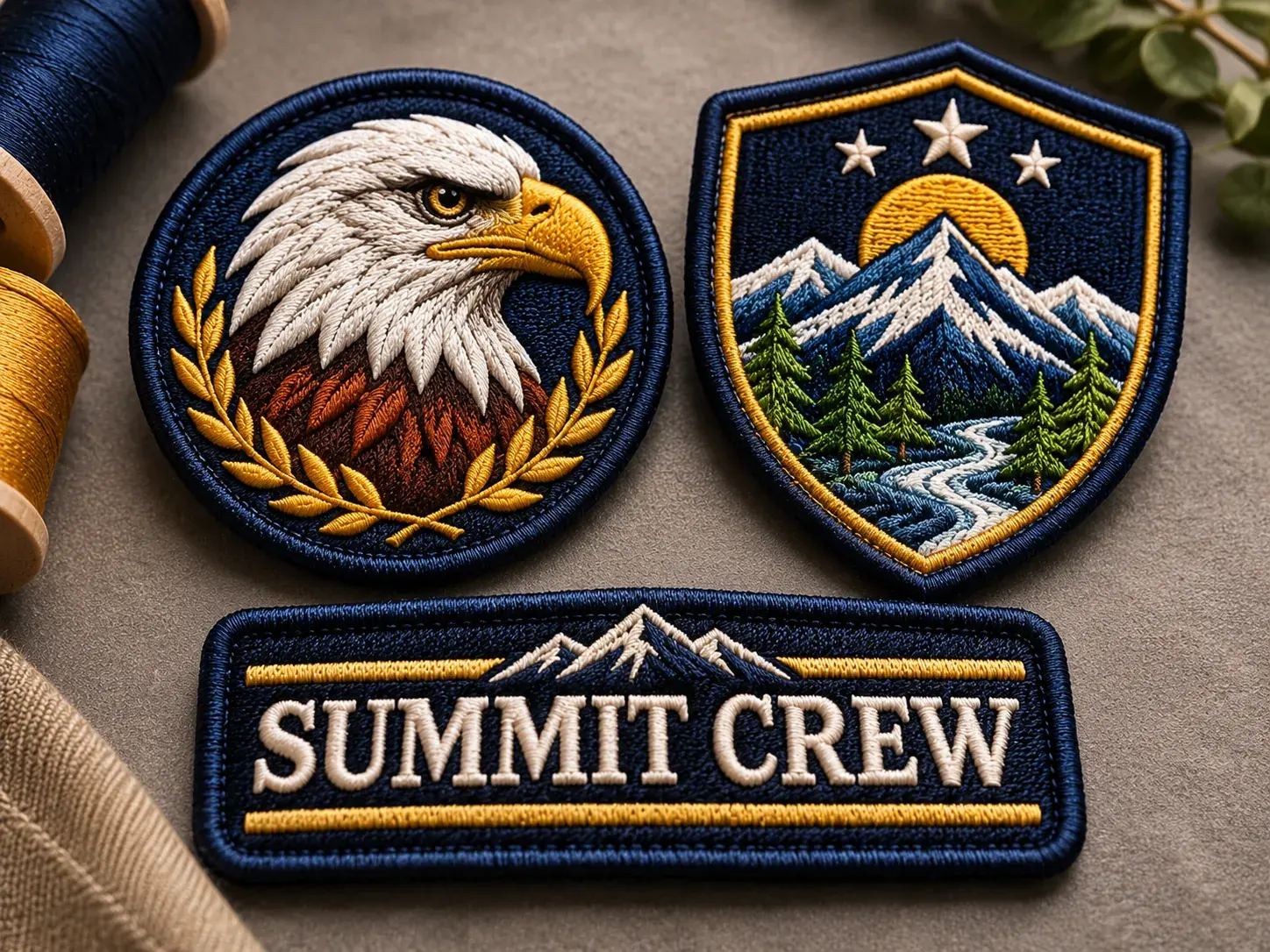
- Embroidered: classic and familiar. The thread texture gives a crafted, uniform-ready feel. It looks at home on caps, polos, varsity jackets and service uniforms.
Think about your audience. A tactical brand or outdoor club may want the rugged look of rubber. A fire company, school or sports team may prefer the traditional look of thread.
Detail, Text and Color
Both patch types handle bold logos well. Differences show up with small text and fine lines.
PVC can hold crisp small shapes, because each color is its own molded area. However, PVC has no gradients or color blends. Design your art in solid spot colors, and keep the color count focused, since every color is filled separately.
Embroidery is limited by the width of the thread. Very small letters and thin lines can blur or fill in. If your design has tiny text, make the patch larger or consider woven patches, which use finer thread. Our guide on how to design a custom patch covers safe text sizes and color tips.
Backing Options for PVC and Embroidered Patches
Backing is where the two styles differ most in practice. Here is what usually works best.
| Backing | PVC patch | Embroidered patch |
|---|---|---|
| Sew-on | Yes, often with a sewing channel | Yes, the most durable option |
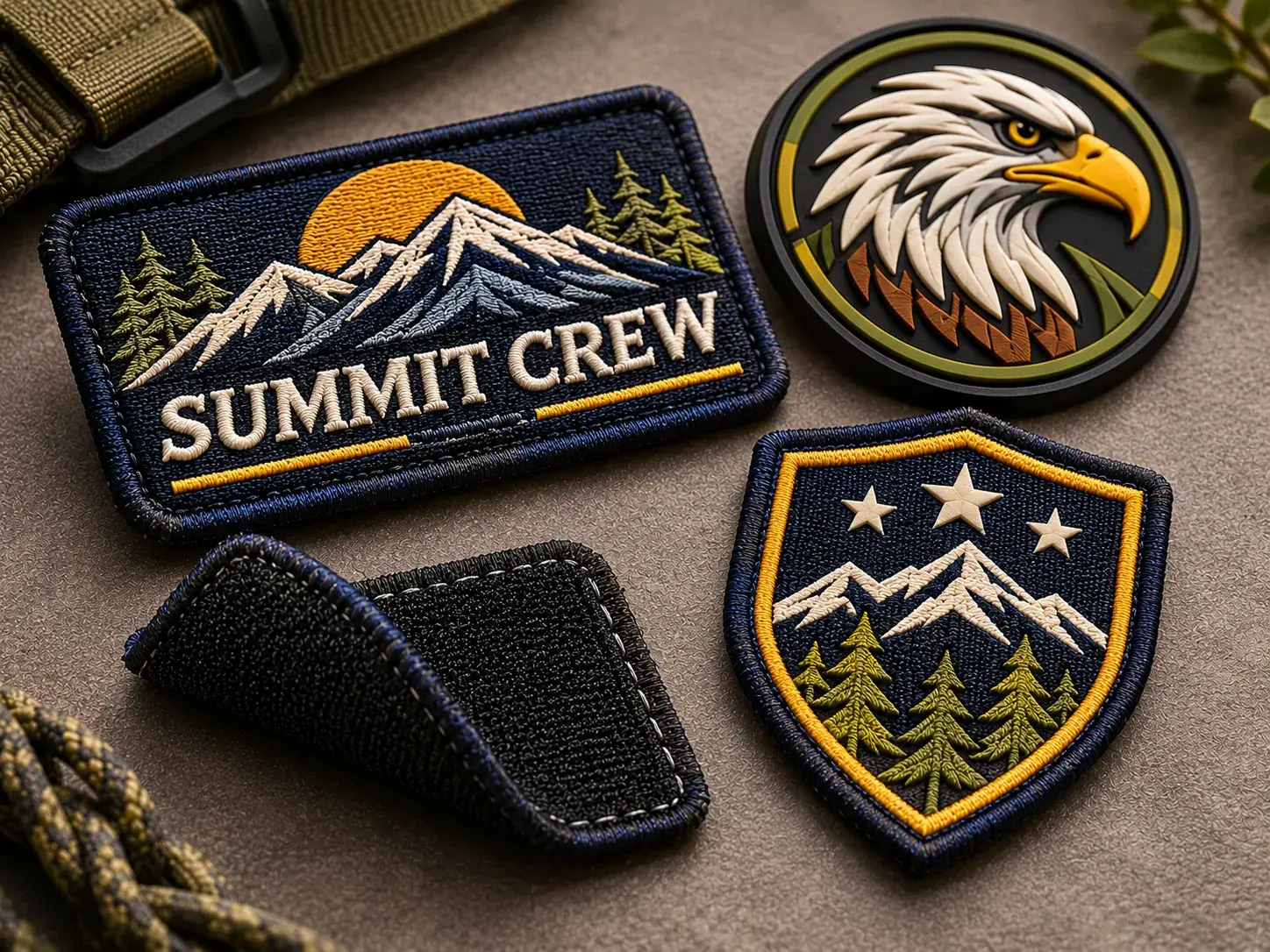
| Hook and loop (Velcro) | Yes, very popular | Yes, very popular |
| Iron-on | Not recommended, heat can warp rubber | Yes, for cotton, denim and canvas |
| Adhesive | Yes, for cases and hard surfaces | Yes, for short-term use |
Not sure which backing fits your item? Our patch backing types guide compares every option by fabric and use.
Cost: What Drives the Price of Each
Pricing depends on your exact design, so the best way to compare is to quote both. Still, it helps to know what moves the price.
PVC cost drivers
- Mold setup: each design needs its own mold. Because that setup is shared across the order, the cost per patch usually drops as quantity rises.
- Number of colors: each color is filled by hand or machine, so more colors add work.
- 2D or 3D: sculpted 3D molds take more work than flat 2D layers.
- Size and backing: larger patches use more material, and hook-and-loop adds a step.
Embroidered cost drivers
- Size: bigger patches need more stitches.
- Stitch coverage: 100% thread coverage takes more stitches than a design that shows some twill.
- Border and backing: merrowed or heat-cut edges and the chosen backing affect the final price.
- Quantity: like PVC, the price per patch usually improves with larger runs.
Which Patch Type Should You Choose?
Use this quick guide to match the patch type to your project.
| Project | Best choice | Why |
|---|---|---|
| Tactical vests and plate carriers | PVC with hook and loop | Tough, wipeable and easy to swap |
| Backpacks and outdoor gear | PVC | Handles rain, mud and rough use |
| Fire and EMS uniforms | Embroidered, sew-on | Classic look that holds up to washing |
| Hats and caps | Either | Embroidered for classic, PVC for a bold 3D logo |
| Team and school jackets | Embroidered | Traditional stitched team look |
| Brand merch and apparel | Either | Match the style of your brand |
| Morale and collectible patches | PVC | Sharp detail and a bold 3D look |
Keep sizes consistent too. Hat and left-chest logos usually run 2 to 3.5 inches. Shoulder patches and chest emblems run 3 to 4 inches, and back patches are 8 inches or more.
Ordering PVC or Embroidered Patches
Send us your artwork, size, quantity and the item the patch will go on. We usually send a digital proof the same working day. Production starts only after you approve it. Delivery is about 7 days after approval, or up to 10 days for large quantities, and every batch is inspected before it ships with tracking to any US address.
Explore our custom PVC patches and custom embroidered patches, or request a quote for both styles and compare.
Frequently Asked Questions
Are PVC patches better than embroidered patches?
Neither is better for every job. PVC is better for water, dirt and hard outdoor use. Embroidered patches are better for a classic stitched look on uniforms, hats and apparel.
Are PVC patches waterproof?
PVC rubber is water-resistant and doesn't absorb water, so it handles rain and wet gear well. You can clean it with a damp cloth and mild soap.
Can you iron on a PVC patch?
We don't recommend it. Direct iron heat can soften or warp the rubber. Choose sew-on, hook-and-loop or adhesive backing for PVC patches instead.
Which is cheaper, PVC or embroidered patches?
It depends on your design, size, colors and quantity. PVC needs a mold, so its price per patch often drops with larger orders. The easiest way to compare is to request a quote for both.
Can embroidered patches have small text?
Yes, but very small letters can blur in thread. Make the text bigger or the patch larger. For very fine text, woven patches are often a better fit.